Glacier Hikes and the Languages of Mountain Safety
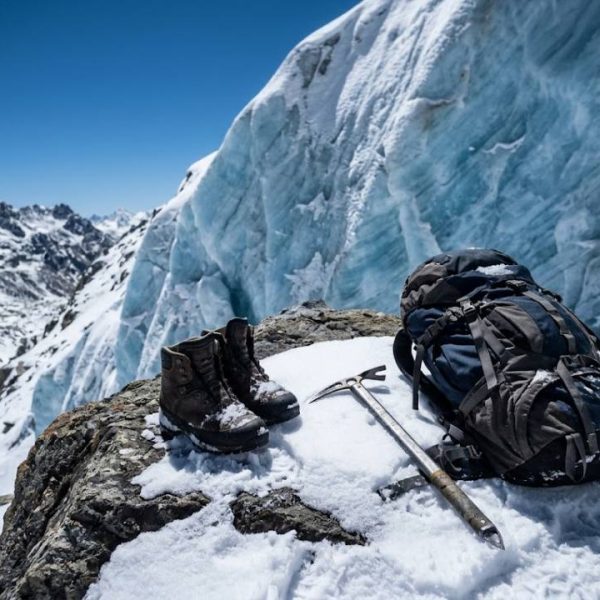
On a glacier, a few words can decide whether a day ends with a story or an accident. Guides shout warnings, rangers post notices, and fellow hikers share advice at the hut. All of it works only if people understand it. As mountain tourism draws visitors from every continent, the language of safety has become as important as the right boots.
This article explains how operators, guides, and hikers can handle language in the mountains, and how to keep safety messages clear for everyone.
Safety Messages Must Be Instant
Mountain warnings are read in seconds, often by tired people in bad weather. Short, direct sentences work best, and they must say what to do, not only what to avoid. Translating such text is not about elegance. It is about making sure that a visitor from another country understands the danger at first glance.
Standard symbols help, yet they never replace words entirely, especially for local rules and changing conditions.
Learn the Core Vocabulary Before You Go
Hikers can prepare with a short list of terms in the local language: crevasse, avalanche, rope, weather, emergency, and the words for left, right, stop, and wait. Practice them aloud and keep them on a card in your jacket. In an emergency, a few exact words help rescuers more than a long explanation.
Save the local emergency number and the name of the area, written the way local people say it.
Operators Need Consistent Briefings
Glacier tour companies often brief groups with mixed nationalities. A briefing that is clear in one language but vague in another creates uneven understanding within the same group. Use a written script for each language, review it with native speakers, and repeat the key points on printed cards that guests can keep.
The National Park Service publishes visitor safety materials that show how to combine simple wording with clear images and consistent layout.
Be Careful With Units and Conditions
Temperature, altitude, distance, and time are written differently around the world. A guide who says one mile may confuse visitors used to kilometers, and Fahrenheit readings may mislead anyone accustomed to Celsius. State measurements in the local system and add the familiar one in brackets for international groups.
Nordic Knowledge for Global Visitors
Scandinavian countries have long traditions of outdoor life and detailed safety guidance. Companies translating such material for international guests, or bringing English-language guidance to local audiences, often rely on specialist norwegian translation services to keep technical and cultural details accurate.
Choose Language Partners Carefully
Not every provider understands outdoor and safety content. Look for a team that can explain its review process, work under deadlines, and handle specialist terms. This guide to choosing a translation supplier lists the questions that separate a reliable partner from a risky one.
Mountain safety information, as the article makes clear, has to be unambiguous to a reader who may be tired and under pressure. Hospitality information is lower stakes but obeys the same rule: the guest reads it once, quickly, and acts on it. Properties buying hotel translation services should start with the material that governs behaviour, such as access, timings and safety notes, rather than with the marketing pages.
Train Guides in Basic Language Skills
Guides do not need to be fluent in many languages, but they benefit from knowing key phrases in the most common ones among their clients. A short course, a phrase card, and regular practice build confidence. Guides who greet visitors in their own language also set a friendlier tone that makes people more willing to follow instructions.
Use Technology as a Backup
Translation apps help with simple questions at the hut or in the parking area, though connections fail on the mountain and batteries die in the cold. Download offline language packs, carry a printed phrase sheet, and never rely on a phone for critical instructions. Apps can mishear in wind, so repeat key points in simple words.
Prepare for Emergencies in Two Languages
When an incident happens, the person calling for help may be frightened and speak little of the local language. Rescue centers use scripts and interpreters, but visitors can help by carrying a note with their name, medical needs, insurance details, and emergency contacts in both languages. That page can speed up a rescue and prevent mistakes.
Learn From Close Calls
Most operators have stories of misunderstandings that almost caused harm. Record them, discuss them with the team, and adjust briefings and signs accordingly. A short debrief after each season turns small errors into lasting improvements.
Make Information Available Before Arrival
Websites, booking emails, and confirmation messages should include safety information in several languages. Visitors who read the equipment list and weather advice beforehand arrive better prepared and ask better questions. It also reduces the pressure on guides at the start of the day.
Respect Local Culture on the Mountain
Mountain communities often have customs about greetings, shared huts, and quiet hours. Explaining these in the visitor's language builds goodwill and avoids awkward moments. A short note about local etiquette, written in friendly words, helps guests feel welcome and respected.
Final Thoughts
Mountains reward preparation, and language is part of preparation. Clear warnings, consistent briefings, and careful translation keep visitors safe and make time on the ice more enjoyable for everyone.