How Green Business Models Create Lasting Local Jobs
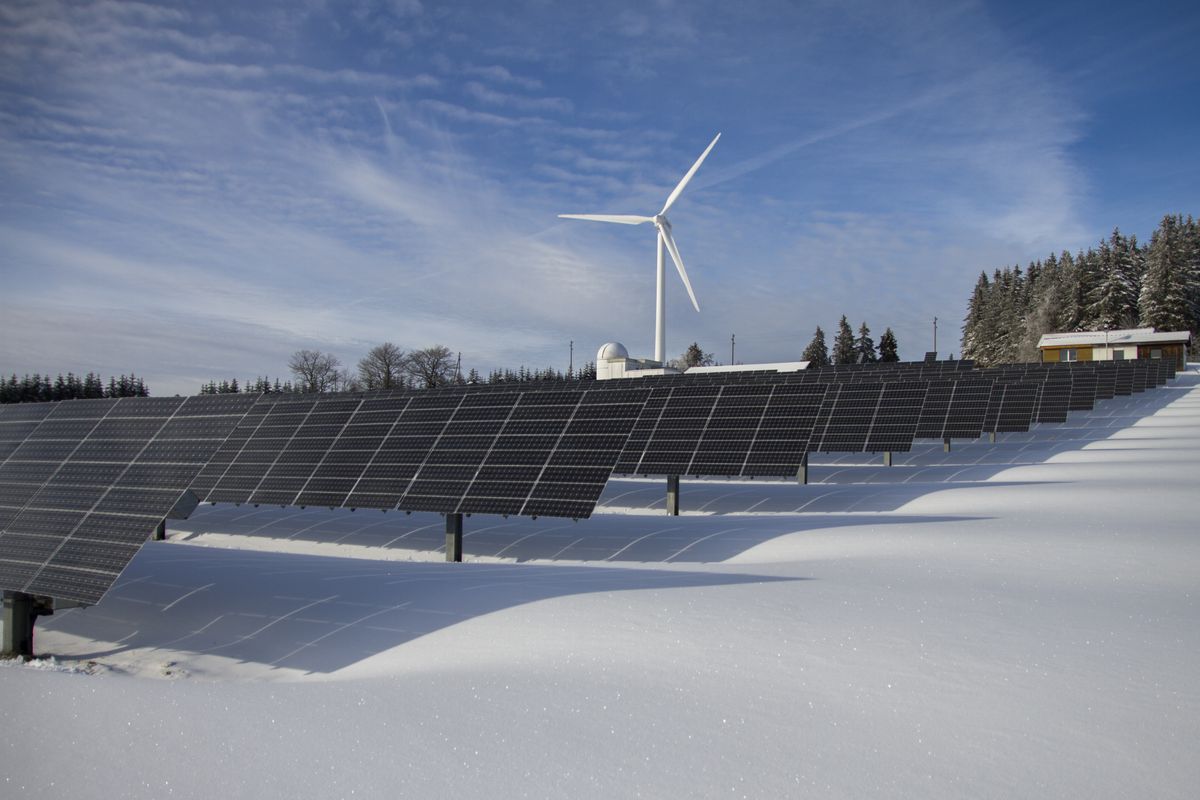
A small solar installer in a mountain valley hires four new technicians in one spring. Two of them learned their trade in Poland and one in Romania. The firm has a strong order book and clear safety rules but half of the written instructions are in a language the new staff read slowly. The first month goes to fixing small misunderstandings that a good plan would have avoided.
Green jobs are growing in many parts of Europe. They appear in solar and wind work and in building repair and recycling and in public transport. Many of them are filled by people who moved from other countries and who bring useful skills along with their families.
A green business model is a plan to earn money while cutting waste and emissions. A repair shop that extends the life of a product follows one. So does a firm that leases equipment and takes it back at the end of the term. These models create steady local work because repair and maintenance cannot be done from far away.
The growth of a green firm is often judged by simple indicators. How many hours of work does each unit of material produce and how much waste leaves the site and how many staff stay for more than two years. A team that cannot read its own manuals will struggle with every one of those numbers.
This article looks at how green business models create lasting local jobs. It covers what makes a model durable and how small firms can train a mixed team and where to find public data on the sector. It is written for owners and managers who want practical steps.
What Makes a Green Business Model Last
A durable model earns from service and not only from sales. A firm that maintains heat pumps for ten years has a customer for ten years. That steady income pays for training and for decent wages. Owners who want to tell this story to buyers in several countries often work with digital marketing services that can adapt the message to each market.
Local work stays local. A roof cannot be repaired from another continent and a recycling plant needs people on site. Public money for the green transition often follows this logic and it favours projects that keep jobs in the region where the money is spent. A town that trains its own people also keeps the knowledge close and that makes the whole local economy more resilient when markets shift.
Train a Mixed Team Without Losing Safety
Polish translation services help a firm that hires workers trained in Poland. Safety sheets and tool guides and site rules must be read the same way by every person on a roof. A short bilingual sheet with plain verbs and clear diagrams is far safer than a long text that nobody finishes.
Set aside one hour in the first week for a walk through the site with a colleague who speaks the same language as the new hire. Ask the newcomer to explain each rule back in their own words. Where an answer is wrong or unsure rewrite the sheet. This small step prevents accidents and wasted material. It also shows new staff that the firm cares about their view and that questions are welcome from the first day.
Write for Readers in More Than One Language
Technicians from Romania may read the Romanian language more easily than English when a manual is long. A guide to lifting rules or to the handling of batteries is far more useful in the Romanian language than in a second language read with effort. Polish translation services can do the same for Polish speakers. Our phone interpreter guide shows how to support a worker on site when a written page is not enough. For wider data on jobs in clean energy see IRENA where reports track employment around the world.
The Romanian language has special letters that break on some labels and some older printers so ask for a proof at the final size. A native reader should check every sheet before it goes on the wall. Polish translation services will often catch the same issue in Polish endings. The European Environment Agency publishes data on the sector that owners can use in grant applications and in training plans.
Measure Whether Growth Is Truly Sustainable
Pick three numbers and track them each quarter. Material saved and staff retained and hours of training given are enough for a small firm. Write each number in plain words and share it with the whole team so that everyone knows the goal. Review them in a short monthly meeting and celebrate small gains because steady progress is what turns a good idea into a lasting business.
Keep a glossary of the technical terms that appear on site in every language your staff uses. Update it when you add a new product. A reviewer who knows the Romanian language and Polish translation services can check the list once a year so that old errors do not spread.
Green work lasts when the people doing it understand the plan. A firm that writes clearly and trains well will keep its jobs in the valley for years to come.